atachyon
Developing physical AI for defence.
In Short
A drone that costs about $2,000 can now take out a border post, a refinery or a crowded market. Stopping it still costs far more than the drone. Atachyon builds physical AI systems. Our autonomous weapon station turns a conventional gun into a drone killer: it finds, tracks and fires on its own, fits on any machine, and stops a drone for the price of a bullet.
Team
Vasu Dubey and Akshat Singh Rathore are mechanical and industrial design engineers with years in robotics, machine learning and industrial automation. Their hardware projects have previously won leading U.S. grants & funding. They lead development at Atachyon.


The Problem
Warfare now moves at machine speed. Cheap drones can reach high-value assets that were never built to stop them, and they get better and cheaper every year. Defence now has to be kinetic, accurate and cheap enough to use at scale. India does not yet have a fast, steady supply of it.
The Market
Every step forward for drones widens what has to be defended. The market grows in rings.
Today Borders
If war breaks out + Critical infrastructure
When drones are as cheap as a pistol + Every public place
Today, drone attacks happen at the borders.
In a war, drones strike far past the border: factories, power plants, oil refineries and ports. Each site needs its own defence.
When a drone costs as little as a pistol, anyone can use one: miscreants, rebels, terrorists. Every market, stadium and station needs defending. The market has no limit.
What Exists Today
Counter-drone systems today either jam a drone (soft kill) or physically destroy it (hard kill). Each falls short somewhere.
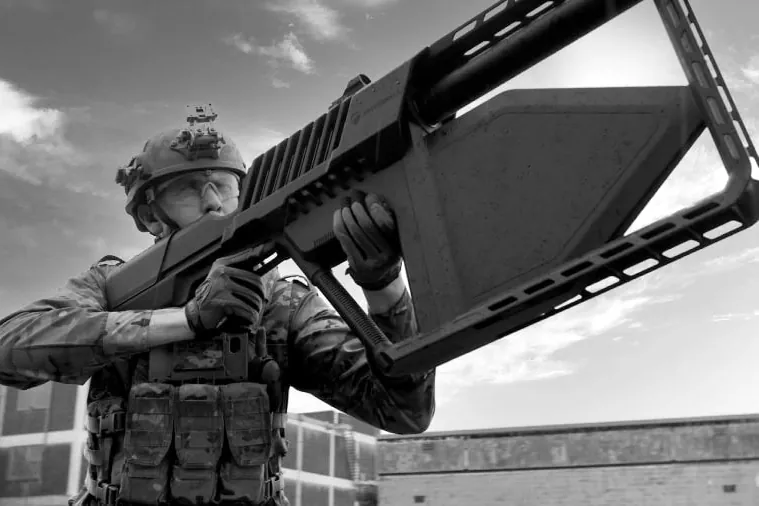
Soft kill: jammers
Look impressive, but fail against jam-proof drones. The shift to those is already under way.

Hard kill: nets and shotguns
Work, but only at very short range, and fail against fast drone swarms.
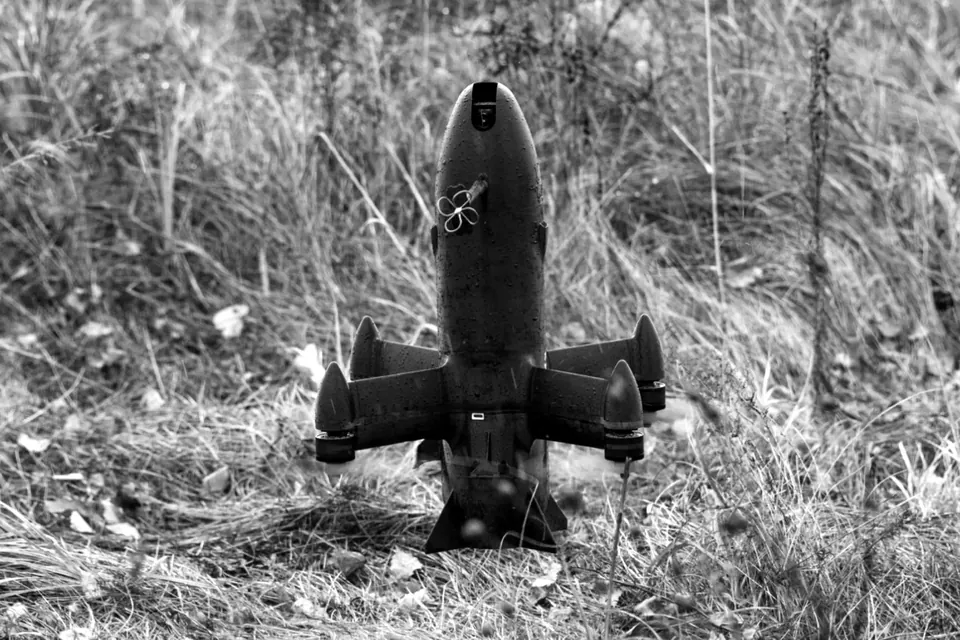
Hard kill: drone interceptors
Work, but expensive: it takes a drone to stop a drone.
Where Hard Kill Is Going
The next systems mount guns on machines: sentry turrets, robot dogs, drones, ground robots and ships.
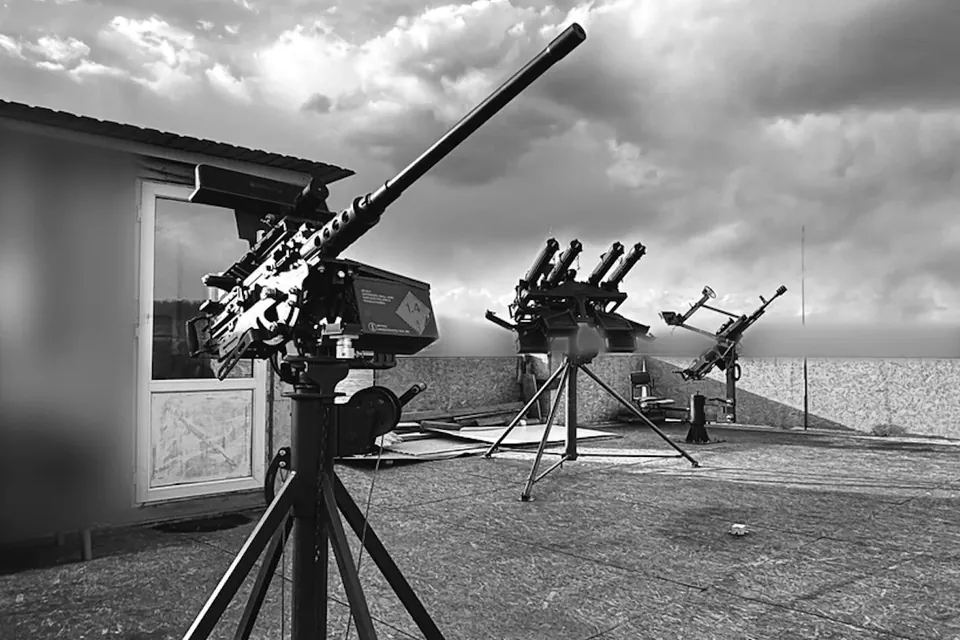
Sentry turrets
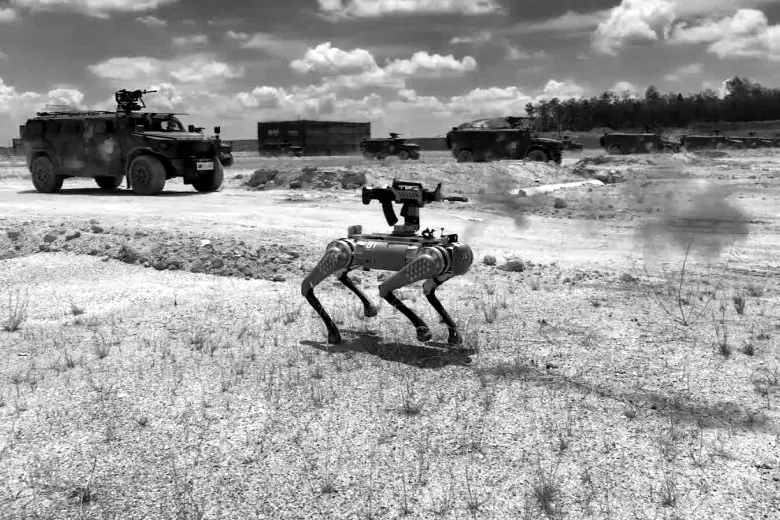
Robot dogs with machine guns
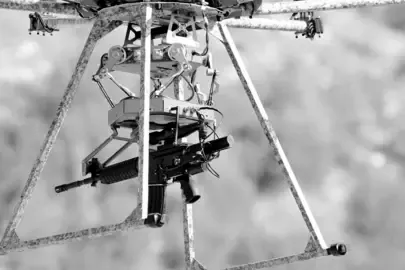
Armed drones
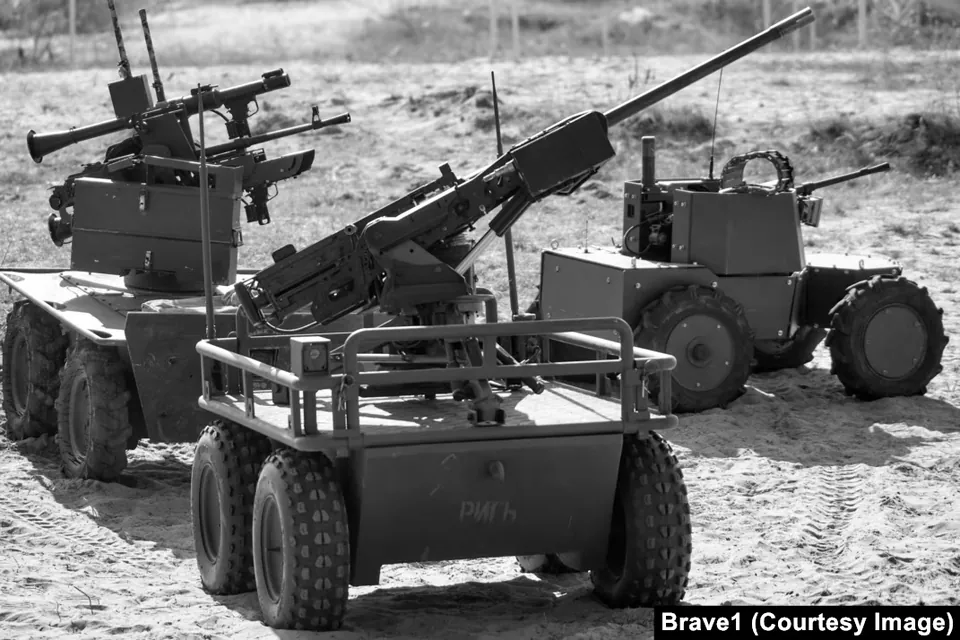
Armed ground robots
The reason is cost. A $2,000 interceptor drone kills a $2,000 drone. A 70-cent bullet does the same job.
Interceptor drone $2,000
Bullet $0.70
about 2,860 times cheaper
That makes guns on machines the effective, affordable answer, and every one of them needs a weapon station.
Our Solution
Every one of these machines needs the same part: a gun that aims and fires by itself. Other companies build the hosts, from turrets to robot dogs, drones and ground robots. We build the robotic weapon subsystem that aims and shoots on its own.
On a tripod
On a robot dog
On a drone
On a ground robot
We are developing robotic weapon stations that adapt to existing firearms and transform them into autonomous precision shooting platforms, enabling rapid response, and enhanced effectiveness against emerging threats.
Linked together, the stations form a mesh across the battlefield. Each one shares what it sees, so the network sees the whole fight: where attacks come from and how they are organised. No standalone system can see that.
Why Now
Procurement is live. The Indian Army and Air Force are actively buying and tendering for counter-drone systems. ITBP alone has allocated about ₹300 crore to the sector, and the Ministry of Defence ₹1,000 crore. The shift toward kinetic solutions is clear. Emerging-market armies facing the same threat are following. India’s defence exports have grown about 56x, from ₹686 crore to ₹38,424 crore, and domestic production has reached ₹1.78 lakh crore. The policy tailwind for indigenous, export-ready technology is strong.
Conclusion
Drones have made attacking cheap, and what needs defending keeps growing: borders today, infrastructure in a war, every crowded place once drones cost as little as a pistol. Jammers, nets and interceptors each fall short on reliability, range or cost. Guns on machines do not, and those machines are multiplying.
Every one of them needs a weapon that can see, decide and fire on its own. Atachyon builds that weapon: one modular station for any host, linked into a network that sees the whole battlefield, stopping a drone for the price of a bullet.